Compare Local Contractors for Brick Masonry Restoration Projects
Compare local contractors for brick masonry restoration to define project scope, verify experience, and establish clear expectations for a successful property upgrade.
Brick masonry restoration involves repairing and preserving the structural integrity and appearance of existing brickwork on a property. This type of work typically includes repointing mortar joints, replacing damaged or deteriorated bricks, cleaning surfaces to remove stains or efflorescence, and addressing issues like cracks or water infiltration that can compromise the stability of brick structures. Proper restoration not only enhances the visual appeal of a building but also helps extend its lifespan by preventing further damage caused by weathering, settling, or aging materials.
Clearly defining the scope of work is essential to ensure that property owners and contractors are aligned on project expectations. A detailed scope might specify which sections of brickwork require attention, the types of repairs needed, and any surface treatments or cleaning methods to be used. Having this information in writing helps prevent misunderstandings, ensures that all necessary repairs are included, and provides a clear basis for evaluating proposals. It also supports effective communication throughout the project, making it easier to address issues as they arise and to verify that the work performed meets the agreed-upon standards.
When comparing local contractors for brick masonry restoration, property owners should consider experience with similar projects and the types of repairs required. Verifying a contractor’s background can involve reviewing their portfolio of completed work, asking for references, or checking how long they have been serving the area. It’s also important to evaluate how contractors approach project scope and whether they provide detailed proposals or written work plans. By focusing on these practical factors, property owners can make informed decisions and select service providers who are capable of delivering quality restoration work tailored to the specific needs of their property.
Compare local contractors by outlining project priorities, verifying experience, and clearly defining scope and expectations.
- Verify Experience and Credentials - Ensure contractors have relevant experience in brick masonry restoration projects.
- Define Project Scope Clearly - Outline specific restoration needs and expectations to compare service providers effectively.
- Request Written Proposals - Obtain detailed, written descriptions of work to assess approach and scope.
- Compare Qualifications and References - Evaluate local contractors based on their past work and professional background.
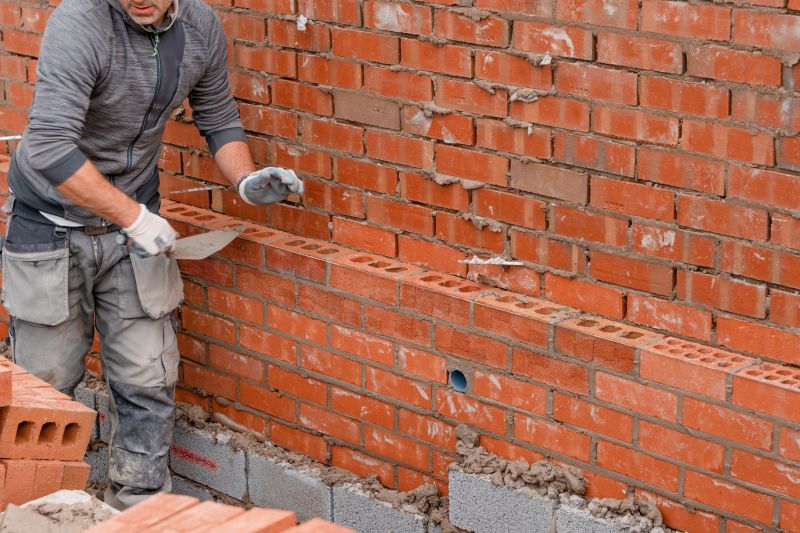
Clearly describe your brick masonry restoration project to effectively compare contractors, verify experience, and set expectations in writing.
- Verify experience with brick masonry restoration projects similar in scope and complexity. - Ensure service providers have a proven track record handling restoration work on structures like yours.
- Define the scope of work clearly in writing, including specific repair and restoration tasks. - Clarify what materials and techniques will be used and what areas will be addressed.
- Check references or reviews to assess the quality of previous brick masonry restoration projects. - Gather feedback from past clients to evaluate craftsmanship and professionalism.
- Confirm that the service provider understands the specific requirements of historic or delicate brickwork. - Make sure they have experience working with different types of brick and mortar for restoration.
- Discuss and document the project expectations, including cleanup and site preparation procedures. - Ensure all parties agree on responsibilities and deliverables before work begins.
- Compare multiple local contractors to evaluate their approaches, experience, and scope of services offered. - Use detailed information to make an informed decision aligned with project needs.
Compare local contractors’ experience, clarify project scope, and set clear expectations in writing.




This scope builder helps you compare local contractors, define project details, verify experience, and set clear expectations without prices.
- Project Scope Definition - Clearly outline the specific brick masonry restoration tasks required for the project.
- Experience Verification - Confirm that the service providers have relevant experience with similar brick restoration projects.
- Material and Technique Specification - Specify the types of materials and restoration techniques preferred or recommended for the project.
- Workmanship Standards - Define the quality and craftsmanship expectations to ensure consistent results.
- Written Agreement - Ensure all project details, scope, and expectations are documented in a formal written agreement.
When comparing contractors for brick masonry restoration, it is important to consider their experience with similar projects. Homeowners should inquire about the types of restoration work the service providers have completed in the past, paying attention to projects that resemble the scope and complexity of their own. An experienced contractor will have a history of handling restoration tasks such as mortar joint repair, brick replacement, and structural stabilization, demonstrating familiarity with the specific challenges these jobs can present. Verifying the contractor’s background with previous projects can help ensure that they possess the practical knowledge necessary for quality work.
A clear, written scope of work is essential when evaluating potential service providers. Homeowners should seek detailed descriptions of what the restoration process will include, outlining specific tasks, materials to be used, and the expected outcomes. A well-defined scope helps prevent misunderstandings and sets realistic expectations for the project. Service providers who can articulate their approach in writing contribute to a transparent process, making it easier to compare options based on the completeness and clarity of their proposals.
Verification basics involve confirming that the contractor understands the requirements of brick masonry restoration and can demonstrate their competence. Homeowners should ask for references or examples of past work, and inquire about the methods and materials used in similar projects. It’s also helpful to verify that the contractor adheres to industry standards and best practices, even if formal licensing or certification is not a requirement. Gathering this information provides a clearer picture of the contractor’s ability to deliver durable, aesthetically pleasing results.
Evaluating options without focusing on prices involves assessing the quality of proposals, experience, and communication. Homeowners should compare the scope of work, the level of detail in the written plan, and the contractor’s responsiveness to questions. It’s important to consider how well each service provider understands the project’s needs and whether their approach aligns with the homeowner’s expectations. Focusing on the professionalism and clarity of each proposal can help identify service providers who are capable of delivering the desired restoration work reliably and effectively.
Request written scope details to ensure clear expectations and consistent project understanding with contractors.
- Experience in Brick Masonry Restoration - How can contractors demonstrate their expertise in similar restoration projects?
- Scope of Work - What specific tasks and materials are included in each contractor’s restoration proposal?
- Project Approach - How do local contractors plan to address the unique challenges of your brick masonry restoration?
- Warranty and Follow-up - What guarantees or post-restoration support do service providers offer for their work?
- References and Past Projects - Can contractors provide examples or references from previous brick masonry restoration jobs?
How can I compare contractors for brick masonry restoration? Look for local service providers who clearly outline their scope of work, experience, and methods, then review their credentials and references to make an informed comparison.
What should I consider when defining the scope of a restoration project? Clearly specify the areas that need repair, the type of restoration required, and any specific materials or techniques preferred to ensure contractors understand the expectations.
How do I verify a contractor’s experience with brick masonry restoration? Request details about their past projects, ask for references, and review their portfolio to assess their expertise and familiarity with similar restoration work.
What’s important to include in a written agreement with a contractor? Ensure the scope of work, materials, methods, project milestones, and any other expectations are documented clearly to prevent misunderstandings.
How can I ensure a contractor has the necessary skills for my project? Review their experience, ask about their previous work, and verify that they have handled projects similar in scope and complexity to yours.
Why is it helpful to ask for detailed project descriptions before hiring? Detailed descriptions help compare what each contractor plans to do, ensuring transparency and alignment with your restoration goals.
This page has outlined key steps to find qualified contractors for brick masonry restoration, including how to compare local service providers, define the scope of work, verify their experience, and set clear expectations in writing. Understanding these factors can help ensure that the project is approached with clarity and confidence. Utilizing the quote form allows for a straightforward way to connect with multiple local contractors and explore options that match specific project needs.
Taking the time to gather information and compare different service providers can support making informed decisions about brick masonry restoration. Using the quote form facilitates easy contact with local contractors, enabling comparisons without commitments. This approach helps identify experienced and reliable service providers equipped to handle the scope of work involved.